Critical Incident Stress Management
What is Critical Incident Stress Management (CISM)?
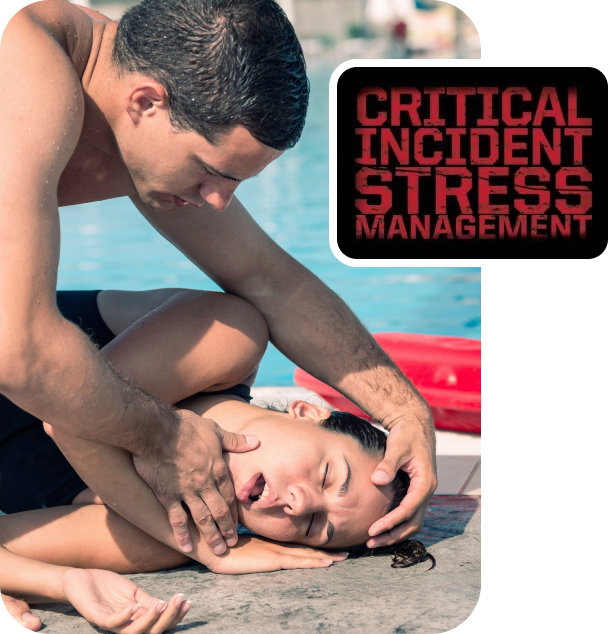
CISM is a method of helping first responders and others who have been involved in critical incidents that leave them emotionally and/or physically affected by those incidents. CISM is a term that refers to a comprehensive, integrative, strategic planning system complete with a multitude of crisis intervention tactics. The confidential process helps the impacted aquatic professional rebound from the effects of a critical incident, restore adaptive functioning and to return to active duty and their lives.
The International Lifeguard Critical Incident Response Alliance (ILCIRA) follows evidence-based industry best practice models for responding to critical incidents. The model, developed by Dr’s Mitchell & Everly focuses on using a peer relationship to help provide a sense of normalization and assists an impacted individual in re-establishing their disrupted normal coping strategies.
Experts in staff wellness and business continuity after traumatic events, our team ensures your aquatics team receive a standard of care consistent with industry best practices. Bringing compassion to all we do, our evidence-based approach ensures you have the support that fits your team and business.
Peer Support & Resiliency Training
Why Peer Support & Resiliency Training matter in aquatics?
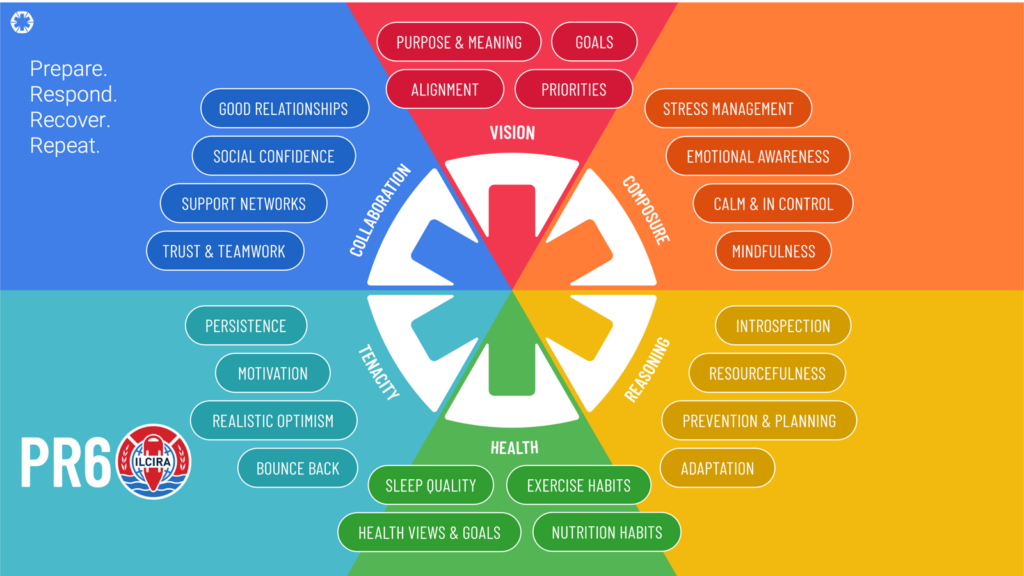
Building strong Peer Support networks and resilience skills is one of the most effective ways to protect lifeguards and other aquatic responders from the psychological impact of critical incidents. Programs like Resilience First Aid equip staff and supervisors with practical tools to recognize early signs of distress, have supportive conversations, and connect teammates to help before problems escalate. When integrated into an aquatics organization’s training, supervision, and post-incident procedures, Peer Support becomes part of “how we do business” – normalizing help-seeking, reducing stigma, and strengthening team cohesion. This proactive, skills-based approach not only supports individual wellbeing, it also helps organizations maintain readiness, reduce turnover, and honor their duty of care to those who stand watch over others’ safety.

Consulting
Experience and expertise when you need it most. We offer a variety of services to help mitigate the effects of critical incident stress on your organization.
Training
From pre-incident management training and team resilience training to response and recovery courses, we have you covered.
Speaker
Our Clinical Directors and leadership are regularly invited to industry conferences and events to speak on critical incident management for aquatics professionals.
AqCIRT
Aquatic Critical Incident Response Team
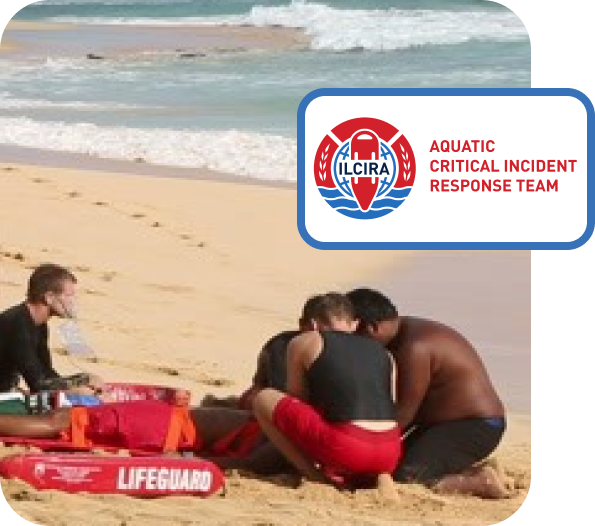
We are currently in the development phase of our Aquatic Critical Incident Response Team (AqCIRT) for lifeguards in the United States and Canada. We will be targeting select, senior-industry leaders in aquatics alongside CISM industry leaders to form an Aquatics Industry Critical Incident Stress Working Group. Using the guidance from this Working Group, we hope to launch limited AqCIRT services for the United States in 2026. We are still building an implementation timeline within Canada.