
Research
ILCIRA supports research to strengthen psychological preparedness, resilience, and recovery support for lifeguards and aquatic professionals - an often under-researched first responder population.
ILCIRA advances this work through a joint research collaboration between the Center for the Advancement of Military & Emergency Services (AMES) Research at Kennesaw State University and the Department of Industrial/Organizational Psychology at the University of Central Florida. Together, the partnership is building the evidence base on critical incident prevalence and impact among lifeguards and aquatic professionals, and evaluating effective prevention and post-incident support strategies. Learn more about ILCIRAs International Research Team.
Current Research Initiatives
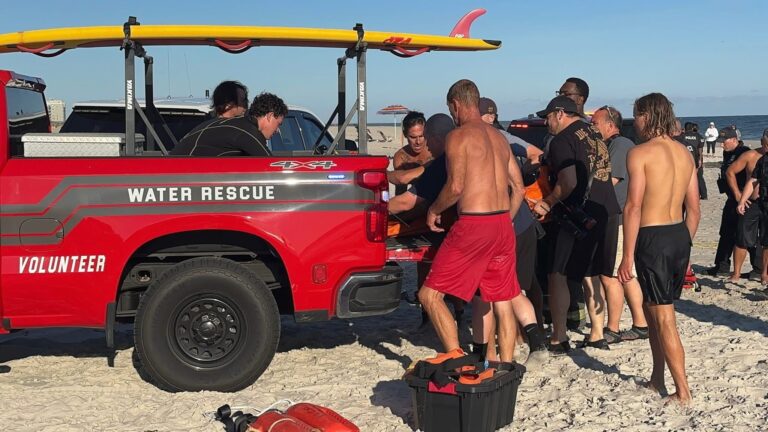
International Aquatic Personnel Critical Incident Prevalence & Impact Study
Thank you to everyone who took part in the International Aquatic Personnel Critical Incident Prevalence & Impact Study - the first global study of its kind for the aquatics sector.
This international study examined how often aquatic professionals experience critical incidents, how those incidents affect mental health, physical wellbeing, and workforce outcomes, and what prevention and support resources are currently available or needed.
The study closed on August 31, 2026.
Findings from this study will be submitted for peer-reviewed publication. Once that process is complete, we'll share a summary with subscribers of the ILCIRA newsletter and on this page.
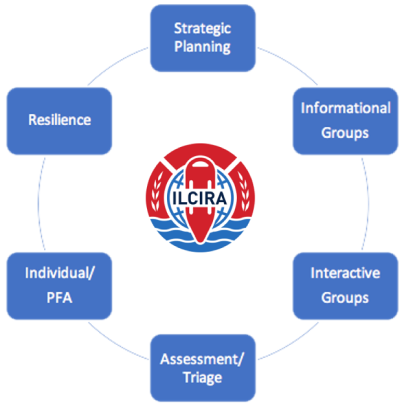
Aquatic Critical Incident Response Team (AqCIRT) Pilot Program Evaluation
A research study evaluating a specialized Critical Incident Stress Management (CISM) model adapted for aquatic settings, examining participant experiences, perceived effectiveness, and opportunities for improvement.

Why This Research Matters
Lifeguards and aquatic professionals maybe exposed to high‑impact, time‑critical incidents—often involving children, public scrutiny, and life‑or‑death outcomes. Research into critical incident exposure and effective support interventions ensures that the right strategies are used at the right time, for the right people.
Evidence‑informed approaches help protect responders, strengthen performance, and improve public safety by:
- Recognizing that critical incident exposure affects individuals differently
- Preventing harm caused by poorly matched or mistimed interventions
- Addressing the unique demands of aquatic environments and seasonal, youth‑heavy workforces
- Shifting support from only reactive response to proactive resilience and preparedness
- Supporting workforce retention, readiness, and long‑term well‑being
Now Streaming: The Science Behind Supporting Lifeguards After Critical Incidents
What happens after the rescue? In this podcast, three leaders at the intersection of aquatic safety, applied research, and psychological support sit down to discuss a first-of-its-kind global study — the International Aquatic Personnel Critical Incident Prevalence & Impact Survey.
Dr. Jaz Lawes, National Research Manager for Surf Life Saving Australia, Dr. Sam Fien, Senior Lecturer at CQUniversity Australia and National Wellbeing Advisor for Surf Life Saving Australia, and Tyler Anderson, President of the International Lifeguard Critical Incident Response Alliance (ILCIRA), share why this research matters, what it aims to uncover, and how the findings will shape the future of post-incident support for lifeguards and aquatic professionals worldwide.
Get Involved
Aquatic organizations and professionals can support this work by participating in studies, sharing opportunities within their networks, and partnering with ILCIRA to advance evidence-based solutions.
Learn more about our academic partners:
AMES Research Center,
Kennesaw State University.
ames@kennesaw.edu
University of Central Florida